
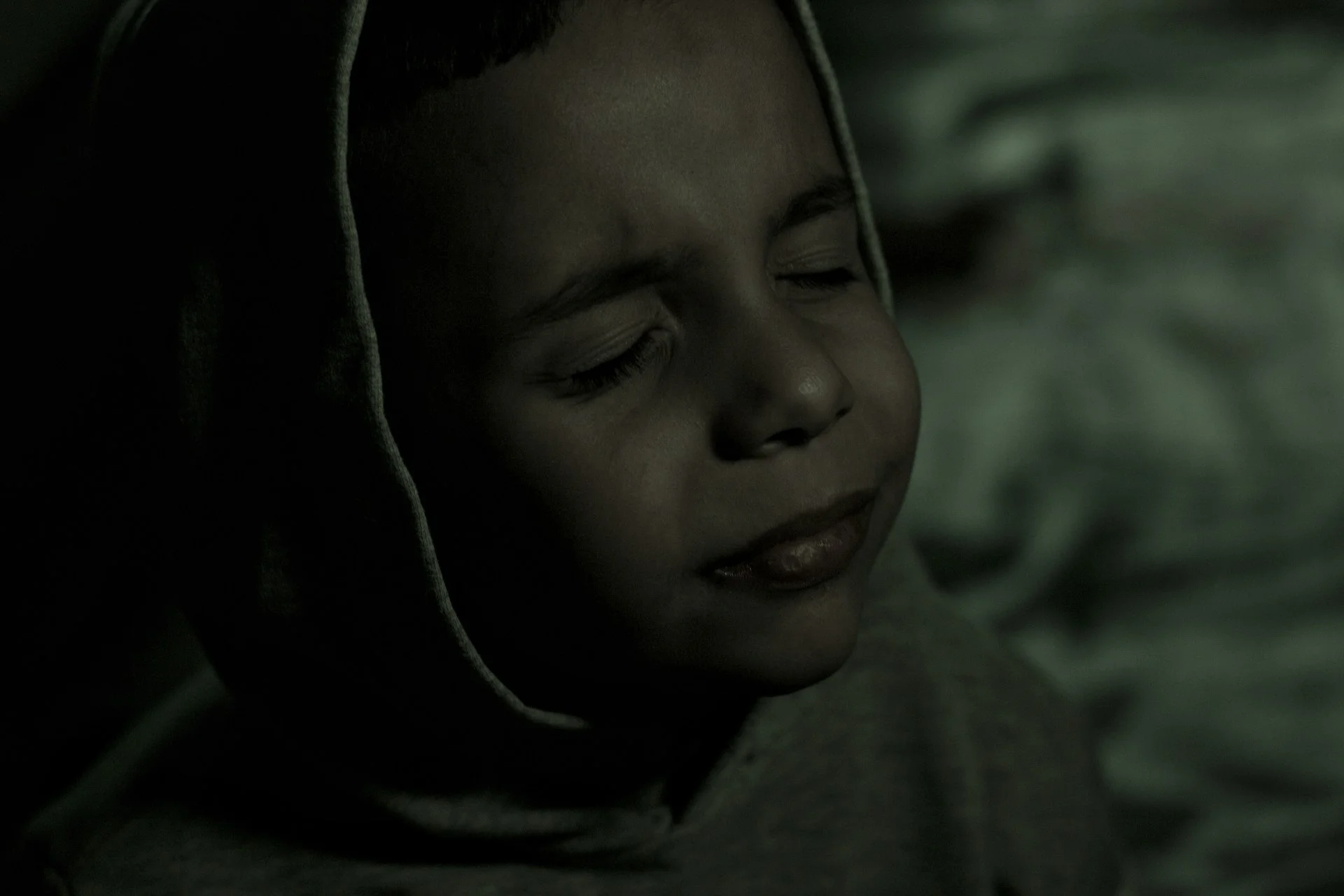
If you have ever been startled out of a dead sleep by the sound of your toddler crying out in the middle of the night, you know that particular brand of heart-in-your-throat panic that only parents get to experience. You rush in, half asleep, to find them sitting up in bed, upset, confused, and absolutely convinced that something terrible just happened. Welcome to the world of toddler nightmares, and you are far from alone in navigating it.
Nightmares are one of those things that seem to catch parents off guard, mostly because you finally got your little one sleeping through the night and now this. But the truth is, nightmares are a completely normal and developmentally expected part of childhood. In today’s blog, we are going to break down what nightmares actually are, why toddlers experience them, and most importantly, what you can do to help your little one feel safe and get back to sleep. If you have a go-to strategy that has worked for your family, we would love to hear it in the comments or over on social!
What Is Actually Happening During a Nightmare
A nightmare is a vivid, scary, or upsetting dream that occurs during REM sleep, which is the stage of sleep where most dreaming takes place. When a nightmare wakes your toddler up, they are fully conscious, they know where they are, and they can usually tell you (in their own words, anyway) what scared them. This is actually an important distinction that we will come back to in a moment.
Nightmares tend to peak between the ages of 2 and 6, right when toddlers and preschoolers are developing rich imaginations but do not yet have the cognitive tools to fully separate fantasy from reality. A scary scene from a TV show, an overheard conversation, or even just a big emotional day can all find their way into your child’s dreams in unexpected ways. Their brains are doing a tremendous amount of processing during sleep, and sometimes that processing gets a little intense.
Nightmares vs. Night Terrors: They Are Not the Same Thing
This is one of the most common points of confusion for parents, and it is worth clearing up because the response to each is actually quite different.
A nightmare wakes your child up. They are alert, aware of you, and able to be comforted. They may remember what scared them and want to talk about it. This is a nightmare.
A night terror, on the other hand, happens during non-REM sleep, usually in the first few hours after bedtime. During a night terror, your child may be screaming, thrashing, or appear wide awake, but they are actually still asleep. They will not respond to you in a normal way, they will not remember it in the morning, and the worst thing you can do is try to fully wake them up or restrain them. Night terrors look scarier to the parent than they are to the child, who has no memory of them at all.
If you are not sure which one you are dealing with, timing is your best clue. Nightmares happen in the second half of the night during REM sleep. Night terrors happen earlier, usually within the first couple of hours after your child falls asleep.
What Tends to Trigger Nightmares in Toddlers
There is not always a clear culprit, but a few things are known to increase nightmare frequency in young children. Overtiredness is a big one since sleep-deprived toddlers tend to cycle through REM sleep more intensely. Stress and big transitions (a new sibling, starting daycare, moving homes) can also stir things up. Screen content plays a role too, even content that seems mild to us can be genuinely frightening to a toddler’s developing brain. Illness, fever, and changes in routine have also been linked to an uptick in nighttime waking.
It is worth keeping a loose mental note of what was going on the day before a rough night. Over time, patterns can emerge that help you get ahead of things.
How to Respond in the Moment
When your toddler wakes up from a nightmare, your presence is the most powerful tool you have. Here is what tends to help most.
Go to them right away. Do not wait it out. A child waking from a nightmare needs immediate reassurance, and a quick, calm response from you sends the message that they are safe.
Keep your own energy calm and steady. We know this is easier said than done at 2 a.m., but toddlers take huge cues from how we respond. If you come in frazzled and panicked, they are going to feel more scared, not less. A quiet, low voice and a warm presence go a very long way.
Acknowledge what they felt without reinforcing the fear. Something like “That sounds really scary, I am so glad you are okay” validates their experience without agreeing that there is actually a monster in the closet. Avoid saying things like “there is nothing to be scared of” because to them, in that moment, there absolutely is.
Turn on a dim light if it helps. Checking under the bed or in the closet together can be reassuring for some kids. For others it actually reinforces the idea that something might be there. Read your child and use your judgment.
Stay until they are calm and settled. You do not need to sleep in their room all night, but taking a few extra minutes to sit with them and let them fully settle before you slip out will make it much easier for them to drift back off without anxiety.
Building a Bedtime Routine That Helps Prevent Nightmares
You cannot prevent every nightmare, but there are things you can do in the lead-up to bedtime that create a calmer, more secure environment for sleep.
A consistent and predictable bedtime routine is your best friend here. Bath, books, a quiet song, lights out. The more your toddler knows what is coming next, the more their nervous system can wind down before sleep. Keeping screen time away from the last hour or two before bed removes a common trigger. And making sure your toddler is going to bed at an appropriate time (not overtired, not under-tired) helps regulate their sleep cycles in a way that tends to reduce REM intensity.
Some families find that a small nightlight, a special stuffed animal, or even a simple “worry doll” or “monster spray” (a little spray bottle of water with a fun label) gives toddlers a sense of agency over their fear that is really powerful. A little creativity goes a long way at this age.
When to Talk to Someone About It
Most toddler nightmares resolve on their own as kids develop and their imaginations become easier for them to manage. But if your child is having nightmares multiple times a week, seems anxious or fearful during the day as well, is refusing to go to bed because they are scared, or if the nightmares follow a stressful or traumatic event, it is worth mentioning to your pediatrician. They can help rule out anything else going on and point you toward the right support if needed.
Before You Go
We hope this blog helped take some of the mystery out of toddler nightmares and gave you a few practical tools to reach for the next time you hear that cry from down the hall. Sleep challenges at every stage are something we truly understand, and we are here to help your whole family get more rest.
From newborn care consulting to sleep training support and overnight newborn care, we offer personalized guidance for families navigating every stage of early childhood sleep.
Have questions? Let’s Chat and we would love to help your family rest easier.

Katie B.
Expertise You Need:
- Certified Master Pediatric Sleep Consultant
- Certified Advanced Newborn Care Specialist (2016-2022)
- Board Certified Holistic Healthcare Practitioner
- 16 years professional childcare experience
- Certified Postpartum Doula (2015-2022)
- Travel & ROTA Nanny
Katie has over 16 years experience working with children of all ages. As a Pediatric Sleep Consultant and Newborn Care Specialist, she has professionally supported families and babies worldwide over the last 10 years. Her mission is to help the entire family unit get better sleep, utilizing a holistic approach that supports the baby or child’s natural biologic drive to sleep. She has personally served hundreds of families, holds 20,000+ hours exclusively caring for infants & babies and has 87+ 5-⭐️ Google reviews.
