
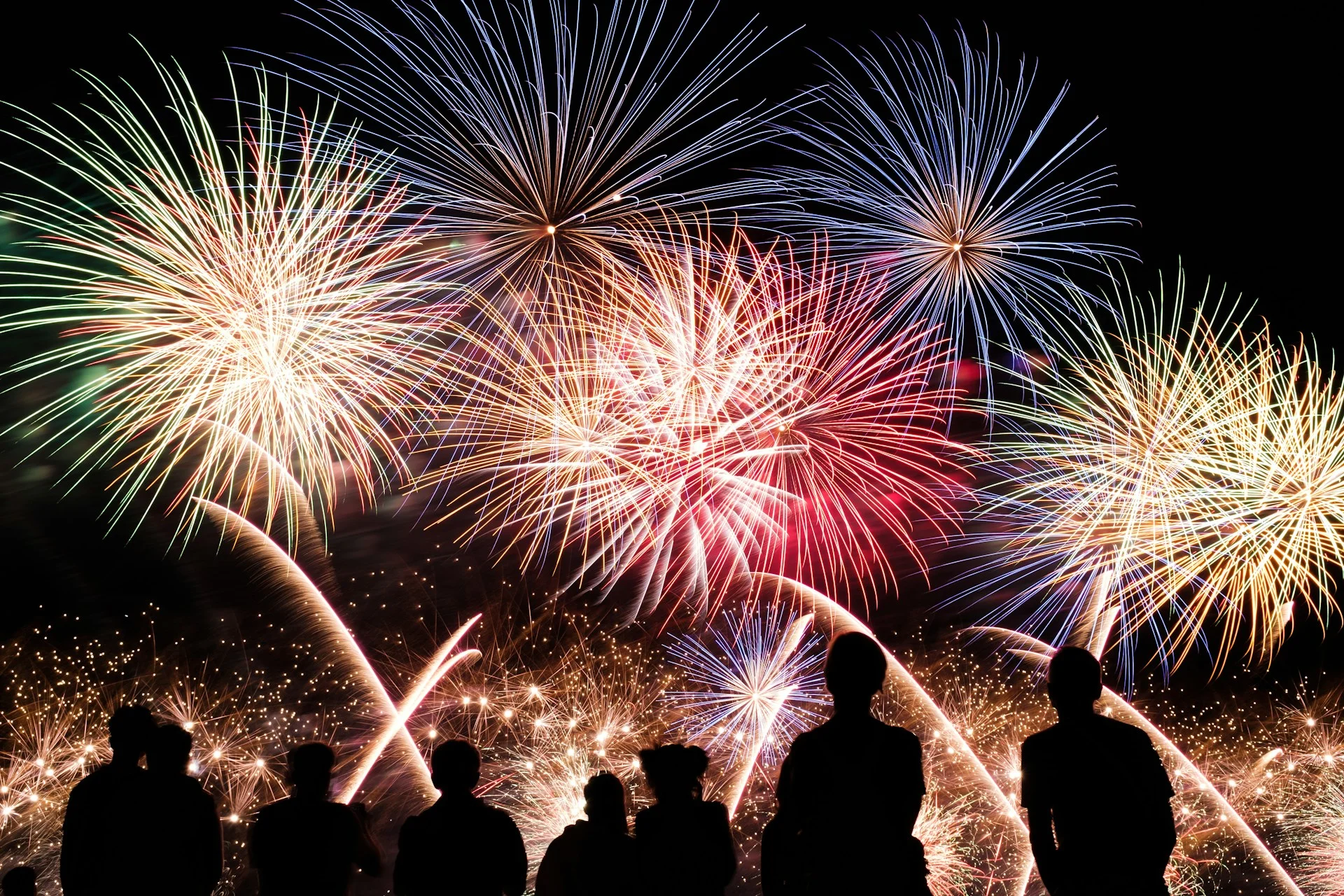
The 4th of July is one of those holidays that is just plain fun. Barbecues, sparklers, that one neighbor who insists on starting their personal show at 9 p.m. sharp, and of course, fireworks lighting up the sky. But if you have a baby or toddler in the house, the holiday brings a few real questions worth thinking through ahead of time, both about keeping them safe around the festivities and helping them actually sleep once the booms start.
In today’s blog, we are covering what to watch out for with little ones on the 4th, plus our best tips for getting your baby or toddler to sleep through (or despite) all that noise. If you have a strategy that has worked for your family on past Independence Days, we would love to hear it in the comments or over on social!
Fireworks Are Louder Than You Think, Especially For Little Ears
Firecrackers can hit noise levels of 150 decibels, which is far louder than the 75 to 80 decibels considered safe for children. One close-range burst is enough to cause permanent hearing loss. That is a sobering number, and it is one of the main reasons pediatric experts are so consistent about firework safety for babies and young children.
Infants generally experience the greatest amount of sound pressure from fireworks compared to older children and adults. This is because babies have smaller ear canals than adults, which means sound pressure entering their tiny ears can actually be greater than what an adult experiences from the very same firework.
Skip The Backyard Show If Baby Is Coming Along
The American Academy of Pediatrics recommends skipping backyard fireworks altogether in favor of attending a professional show, since professional displays tend to be both more spectacular and safer than consumer-grade alternatives. Watching from a safe distance, at least 500 feet away from the launch site, helps protect both safety and your child’s hearing.
If you do plan to bring your baby to a public display, choose your spot with hearing in mind. Sitting toward the back of a crowd, away from the immediate launch area, makes a real difference in how much sound pressure actually reaches your baby’s ears.
Sparklers Deserve Their Own Warning
Sparklers cause nearly half of all fireworks-related injuries in children under 5. They burn at approximately 2,000 degrees Fahrenheit, hot enough to melt metal, and can cause serious burns, ignite clothing, or result in eye injuries. In 2024 alone, 1,700 sparkler-related injuries were treated in emergency rooms across the country. If older siblings or cousins are running around with sparklers at your gathering, it is worth keeping your baby or toddler at a safe distance and supervising closely, even if the sparklers seem like the “tame” option compared to the big show.
Now, Let’s Talk Sleep
Once the safety basics are covered, the next big question on most parents’ minds is simple: how on earth is my baby supposed to sleep through this? Here is what tends to help.
White noise is your best friend on the 4th. A consistent white noise machine running at a steady volume can help mask the sudden pops and booms from outside, smoothing them into background sound rather than a startling jolt. If you do not already use one at bedtime, this is a great night to start.
Close the windows and curtains. Beyond keeping the room cooler in summer heat, closed windows and blackout curtains also do real work in dampening sound and light from outside displays, which helps your baby’s room stay calmer and darker than the chaos happening beyond it.
Stick to the regular bedtime routine. It can be tempting to let the holiday excitement push bedtime later, but a familiar, predictable wind-down routine actually helps your baby’s body settle into sleep mode despite the noise outside. The more normal everything feels leading up to bedtime, the easier the transition tends to be.
Consider timing naps and bedtime around the show schedule if you can. If your community’s fireworks display has a predictable start and end time, you may be able to plan your baby’s bedtime to either happen well before or well after the loudest part of the evening, reducing the chances of a startled wake-up mid-show.
If they do wake up, respond calmly. A sudden loud noise can genuinely startle a sleeping baby or toddler awake. If that happens, a calm, quiet response (a few minutes of soothing, a dim light if needed, reassurance that everything is okay) usually helps them settle back down faster than letting the upset build.
Do not stress if one night goes sideways. Even with every precaution in place, fireworks happen, surprise neighborhood booms happen, and sometimes a night of disrupted sleep just happens. One off night will not undo your baby’s sleep progress. Get through the evening, and get back to your normal routine the next day.
Before You Go
We hope this gave you a clear, practical plan for celebrating the 4th of July safely and helping your little one rest through all the noise. The holiday can absolutely still be fun for the whole family with a little preparation.
Have questions? Let’s Chat and we would love to help your family rest easier.

Katie B.
Expertise You Need:
- Certified Master Pediatric Sleep Consultant
- Certified Advanced Newborn Care Specialist (2016-2022)
- Board Certified Holistic Healthcare Practitioner
- 16 years professional childcare experience
- Certified Postpartum Doula (2015-2022)
- Travel & ROTA Nanny
Katie has over 16 years experience working with children of all ages. As a Pediatric Sleep Consultant and Newborn Care Specialist, she has professionally supported families and babies worldwide over the last 10 years. Her mission is to help the entire family unit get better sleep, utilizing a holistic approach that supports the baby or child’s natural biologic drive to sleep. She has personally served hundreds of families, holds 20,000+ hours exclusively caring for infants & babies and has 69+ 5-⭐️ Google reviews.
